The best discounts this week
Every week you can find the best discounts here.
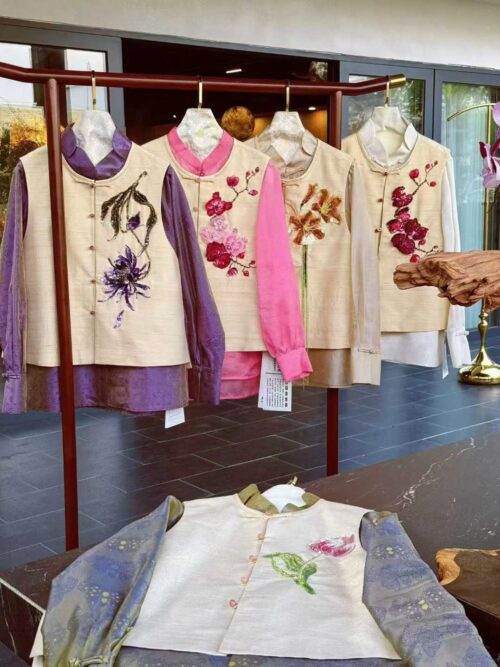
TEST
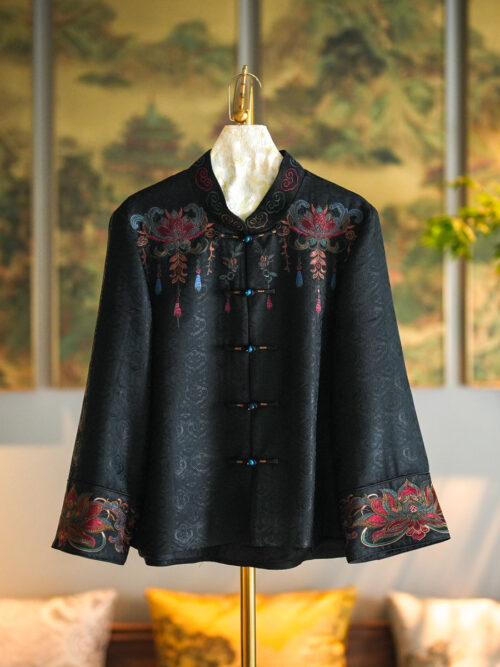
Original Chinese Style Women’s Coat, Heavy Hand Embroidery, Stand Collar, Single-breasted Buttons, Black Plus Size Real Silk Gambiered Guangdong Silk Jacket Style No.5328
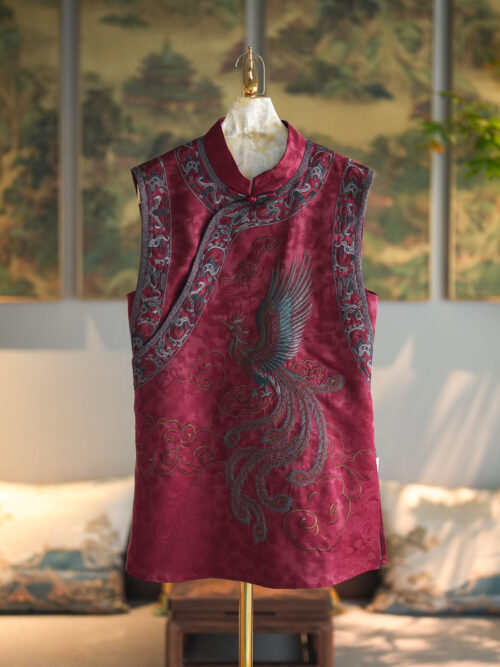
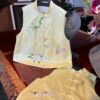
Original Heavy Embroidery Women’s Red Stand Collar Sleeveless Top, Genuine Xiangyunsha Silk for Wedding & Return Banquet Style, Item No.5472
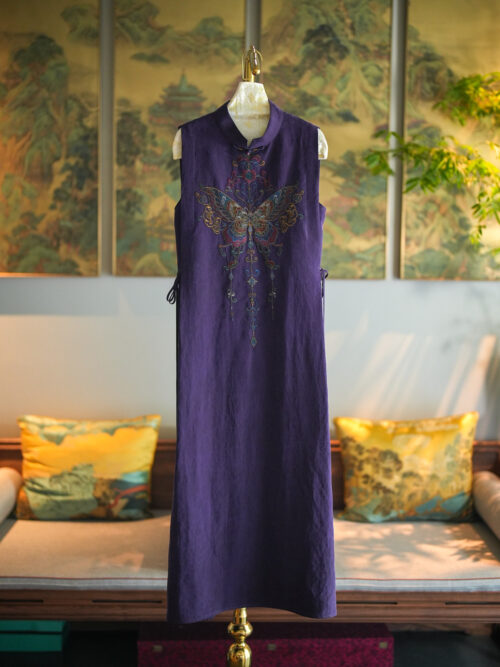
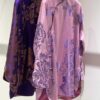
Original Designer Women’s Luxury Purple Stand Collar Sleeveless Long Embroidered Dress, Genuine Silk Xiangyunsha Fabric | Style No.5523
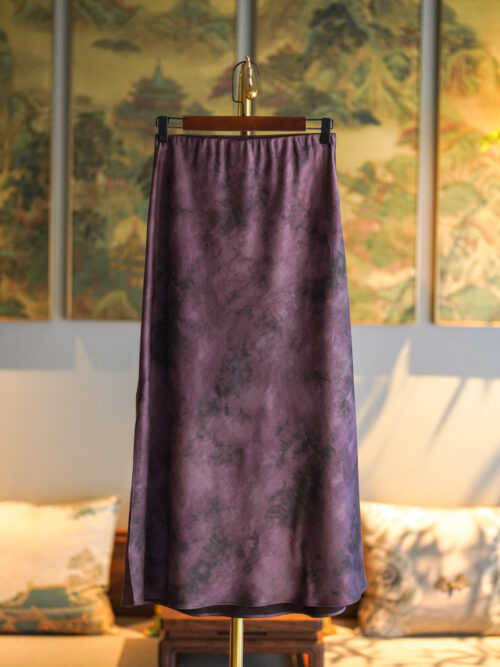
Original New Chinese Style Women’s Minimalist High-Waist Midi Purple Skirt, Authentic Silk Xiangyunsha Fabric | Item No.7933
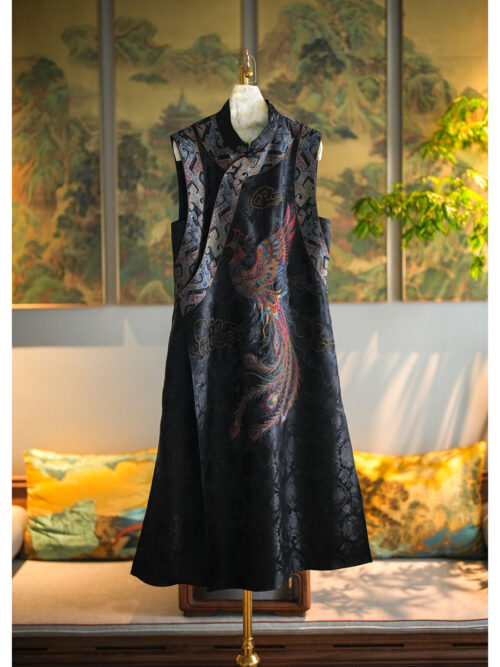
Black Long Song Brocade Dress, Heavy Phoenix Embroidery Stand Collar Sleeveless Mulberry Silk Maxi Dress5518
The Origin and History of Suzhou Embroidery
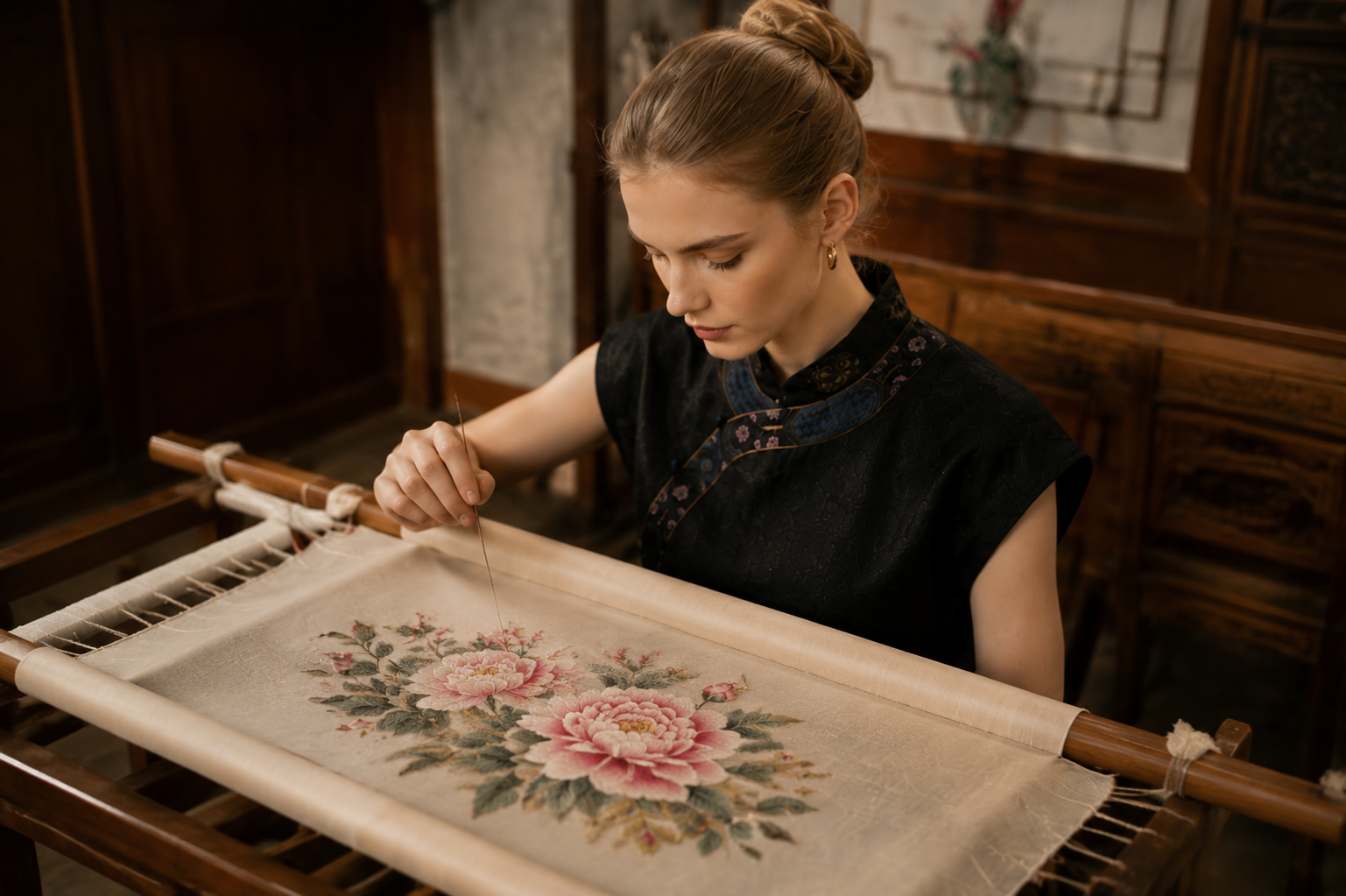
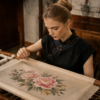
Suzhou Embroidery, commonly known as Su Embroidery, is one of the Four Great Traditional Embroideries of China and a precious intangible cultural heritage art with a long and splendid history.
Originating in the Suzhou region of Jiangsu Province, its earliest roots can be traced back more than 2,000 years. As early as the Spring and Autumn Period, simple embroidery techniques were widely applied to clothing and daily ornaments in the Wu region. During the Han Dynasty, Suzhou embroidery gradually matured, with delicate stitching and simple patterns emerging, marking the initial formation of local embroidery style.
In the prosperous Tang and Song dynasties, the art of Su Embroidery flourished rapidly. Influenced by traditional Chinese painting, embroidery patterns began to integrate landscape, flowers, birds, figures and natural scenery. Craftsmen pursued fine lines, soft color transitions and vivid artistic expressions, making Suzhou embroidery no longer just practical decoration, but a refined form of decorative art.
The craft reached its peak in the Qing Dynasty. Skilled artisans summarized diverse stitching methods and created unique exquisite techniques. With meticulous needlework, layered coloring and lifelike details, Su Embroidery won high praise both at home and abroad. Realistic animal embroidery, lifelike flower works and exquisite court-style costumes became representative masterpieces of this period.
Famous for its fine stitches, elegant colors, neat workmanship and vivid charm, Suzhou Embroidery features ultra-fine needlework and natural gradation of shades. Every stitch is handmade by skilled artisans, condensing traditional Chinese aesthetic concepts and centuries-old craftsmanship wisdom.
Today, Suzhou Embroidery is well preserved and innovated. It inherits ancient handmade techniques while combining modern design. From traditional decorative art to high-end clothing embroidery and cultural artwork, it carries Oriental aesthetics and timeless handmade charm, passing on the profound heritage of Chinese traditional crafts to the world.