The best discounts this week
Every week you can find the best discounts here.
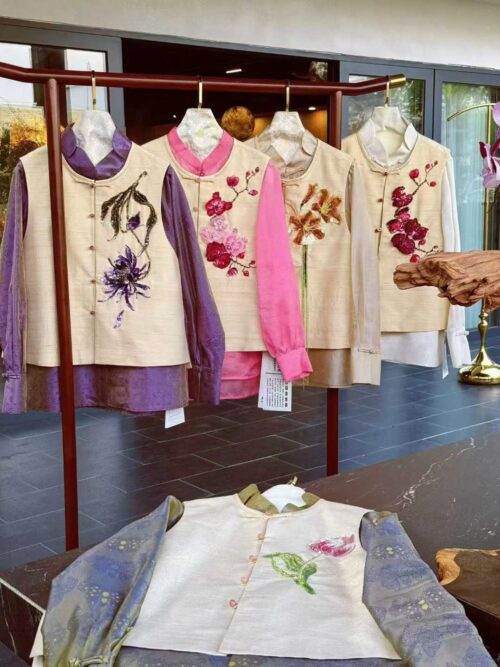
TEST
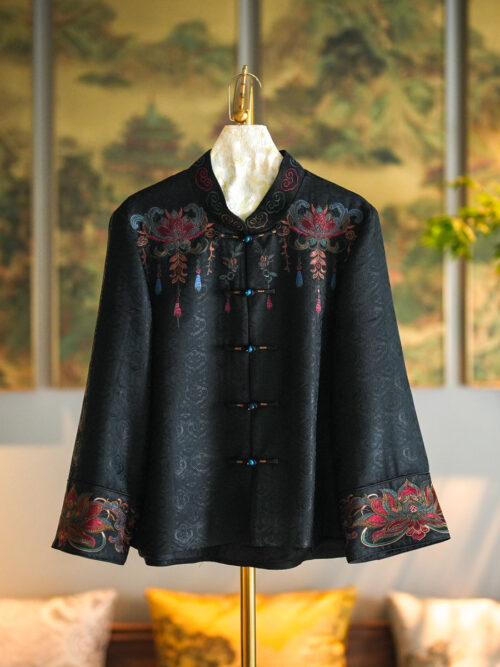
Original Chinese Style Women’s Coat, Heavy Hand Embroidery, Stand Collar, Single-breasted Buttons, Black Plus Size Real Silk Gambiered Guangdong Silk Jacket Style No.5328
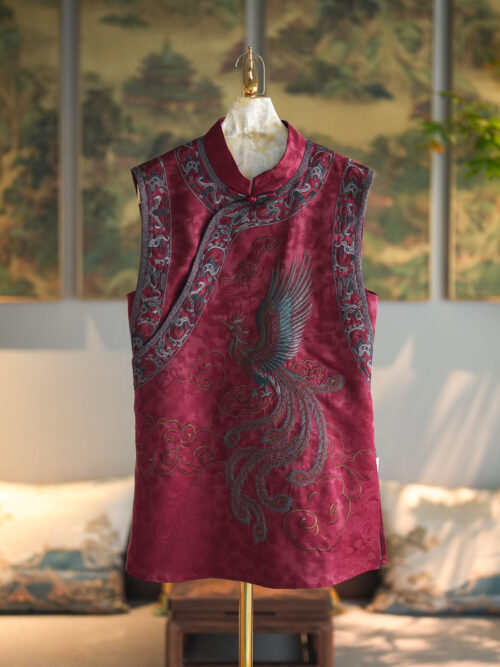
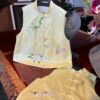
Original Heavy Embroidery Women’s Red Stand Collar Sleeveless Top, Genuine Xiangyunsha Silk for Wedding & Return Banquet Style, Item No.5472
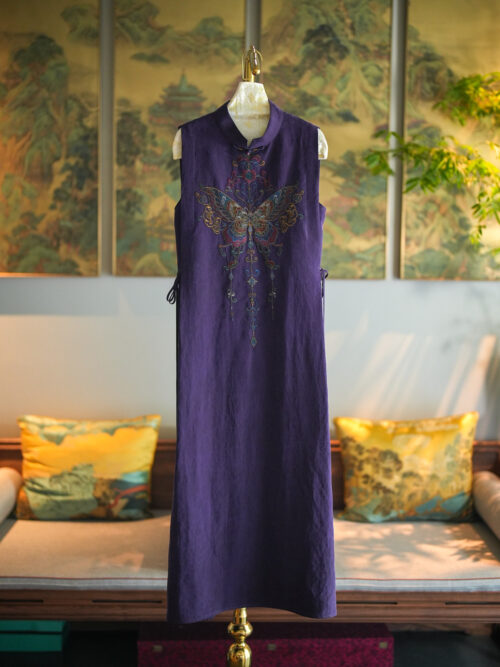
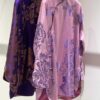
Original Designer Women’s Luxury Purple Stand Collar Sleeveless Long Embroidered Dress, Genuine Silk Xiangyunsha Fabric | Style No.5523
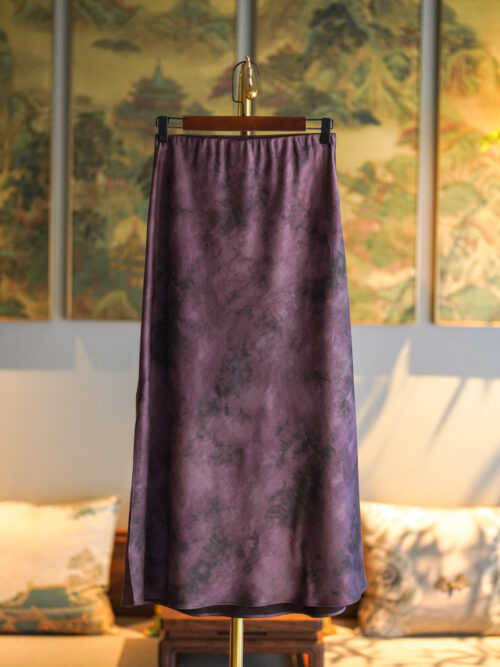
Original New Chinese Style Women’s Minimalist High-Waist Midi Purple Skirt, Authentic Silk Xiangyunsha Fabric | Item No.7933
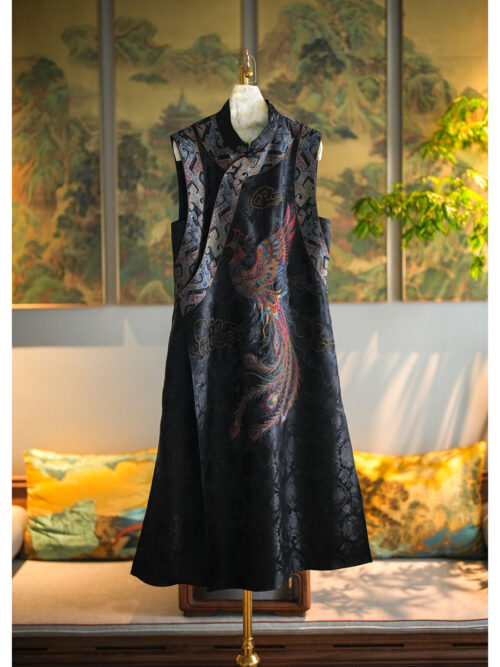
Black Long Song Brocade Dress, Heavy Phoenix Embroidery Stand Collar Sleeveless Mulberry Silk Maxi Dress5518
The Origin of Xiangyunsha: A Treasure of Chinese Intangible Cultural Heritage
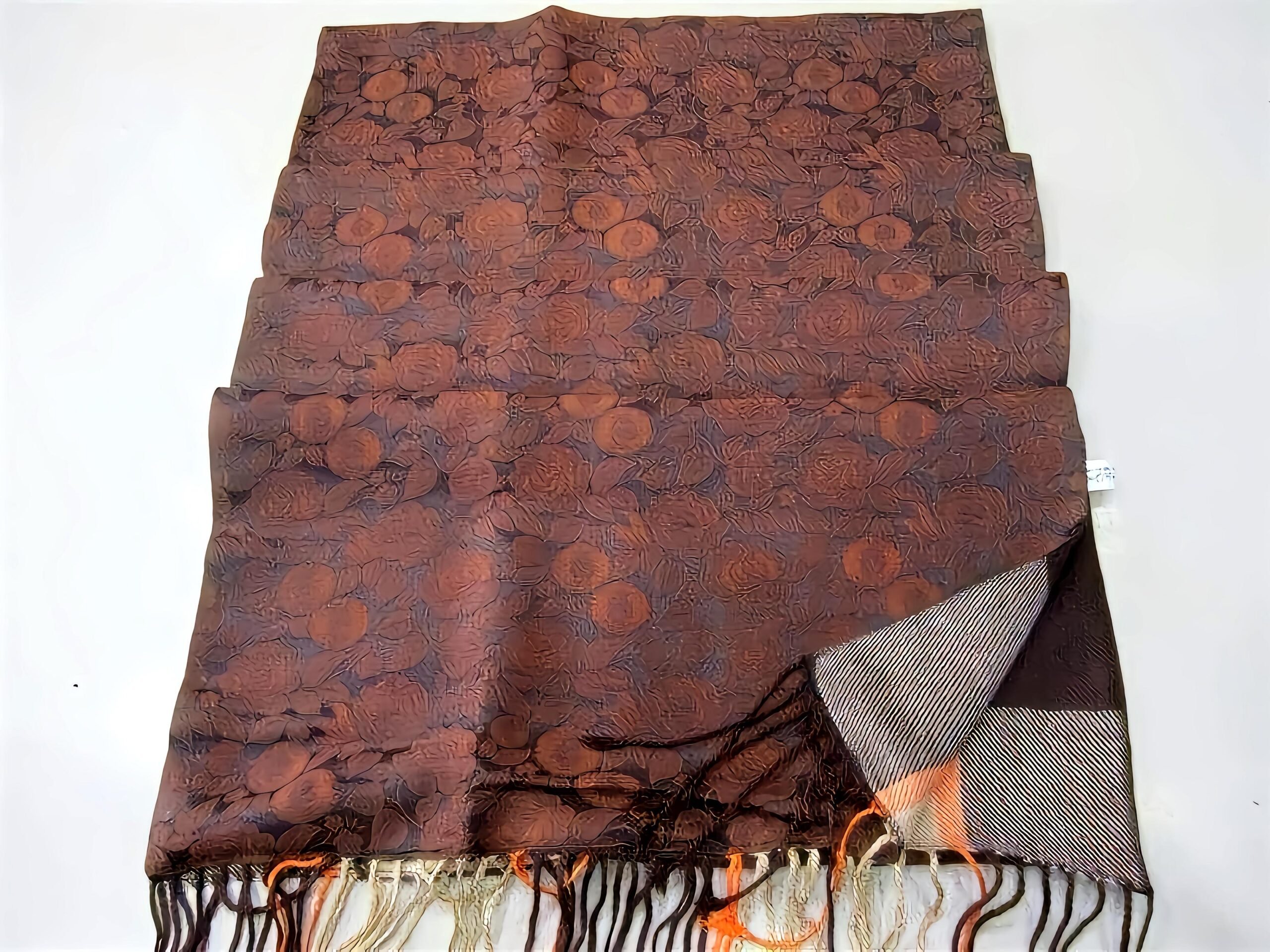
Xiangyunsha, also known as Gambiered Canton Gauze, is a precious silk fabric hailed as the “soft gold” of textiles. It is the only silk fabric in the world dyed with pure plant dyes, with a history spanning over 1,700 years and deep roots in the Pearl River Delta of Guangdong, China.
Ancient Origins: From Fishing Nets to Royal Silk
The story of Xiangyunsha begins in ancient China. As early as the Jin Dynasty (324 AD), fabrics dyed with shuliang (a local plant) were unearthed in Guangdong, proving the early use of plant dyeing techniques. By the Song Dynasty, the medicinal and dyeing properties of shuliang were well-documented in ancient texts.
In the late Ming and early Qing dynasties, the Tanka people (fishing communities) of the Pearl River Delta invented a practical method: soaking fishing nets in shuliang juice to make them durable and water-resistant. Over time, they began treating their clothing the same way—exposing the fabric to sunlight and river mud, which created a glossy black surface that grew softer and more lustrous with wear.
This craft evolved and was refined for silk. By the Daoguang period of the Qing Dynasty (1821–1850), it became a formal textile art, and by 1871, it was widely used for silk dyeing. The fabric’s original name, Xiangyunsha (响云纱), meaning “cloud-rustling gauze,” came from the soft “rustling” sound it made when worn. Later, it was renamed “Xiangyunsha (香云纱)” (fragrant cloud gauze) for its delicate natural scent.
Craftsmanship: A 5-Day Journey of Nature and Handwork
Xiangyunsha’s production is a labor-intensive, eco-friendly process with over 30 handcrafted steps, relying entirely on natural materials and sunlight.
1. Core Natural Ingredients
Raw Silk: Premium pure mulberry silk fabric.
Shuliang (Dioscorea Cirrhosa): A wild tuber plant native to the Pearl River Delta, rich in tannins and colloids.
- Pearl River Mud: Unpolluted, iron-rich river mud from Shunde, Nanhai, and Panyu—essential for the final blackening reaction.
2. The Art of “Sun-Dyeing and Mud-Dyeing”
- Shuliang Juice Preparation: The tuber is crushed to extract deep reddish-brown juice.
2.Repeated Dipping & Sun-Drying: The silk is soaked in shuliang juice and spread on grassy fields to dry under intense subtropical sun. This is repeated 36–40 times over 2–3 days, building a rich amber hue.
3.Mud-Dyeing (The “Blackening” Step): Iron-rich river mud is evenly applied to the fabric’s surface. A chemical reaction between iron ions (mud) and tannins (shuliang) turns the fabric jet-black with a satin-like sheen.
4.Final Rinsing & Curing: The mud is washed off, and the fabric is hung to dry in shade, completing the 5-day process.
Heritage & Modern Legacy
In 2008, Xiangyunsha’s dyeing and finishing craft was inscribed on China’s National Intangible Cultural Heritage List. Today, it remains a symbol of Chinese aesthetics and eco-conscious luxury, blending ancient wisdom with modern elegance.
Its unique texture—breathable, antibacterial, and age-resistant—makes it ideal for clothing that evolves with time, just like the centuries-old craft itself.