The best discounts this week
Every week you can find the best discounts here.
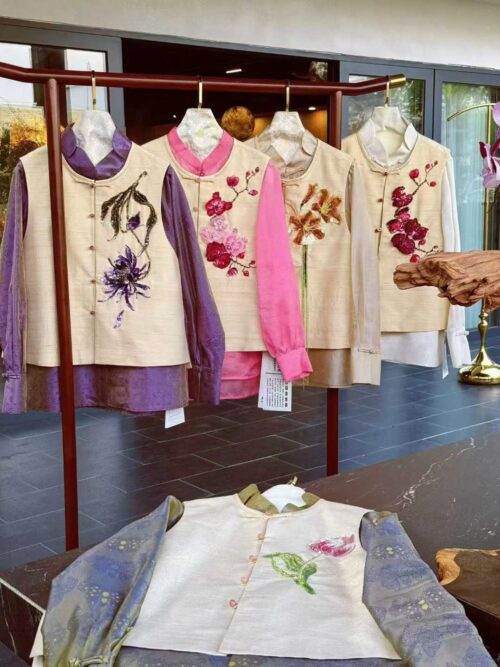
TEST
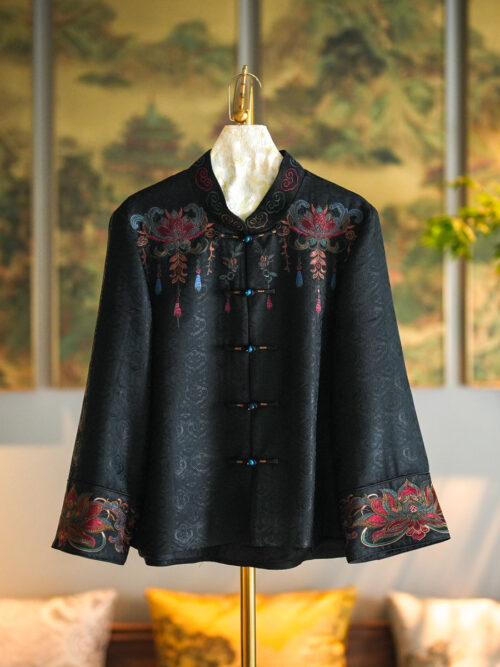
Original Chinese Style Women’s Coat, Heavy Hand Embroidery, Stand Collar, Single-breasted Buttons, Black Plus Size Real Silk Gambiered Guangdong Silk Jacket Style No.5328
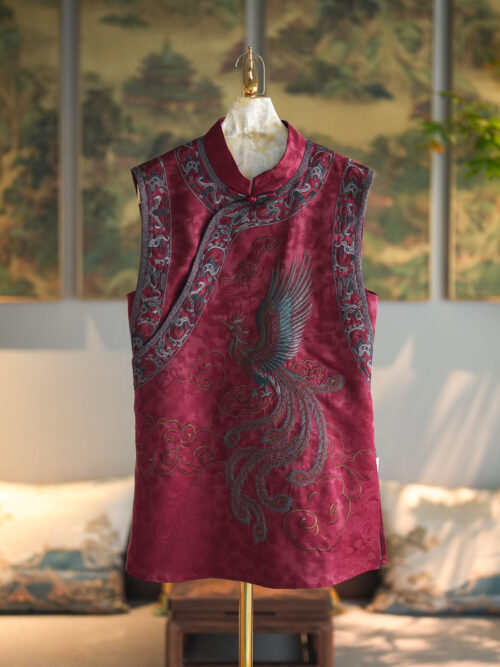
Original Heavy Embroidery Women’s Red Stand Collar Sleeveless Top, Genuine Xiangyunsha Silk for Wedding & Return Banquet Style, Item No.5472
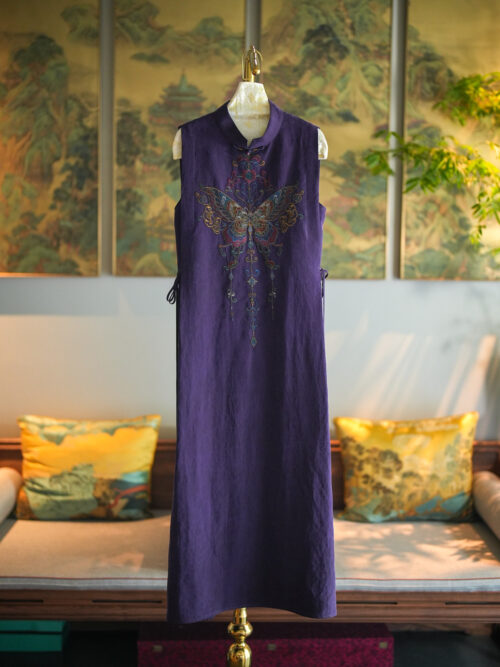
Original Designer Women’s Luxury Purple Stand Collar Sleeveless Long Embroidered Dress, Genuine Silk Xiangyunsha Fabric | Style No.5523
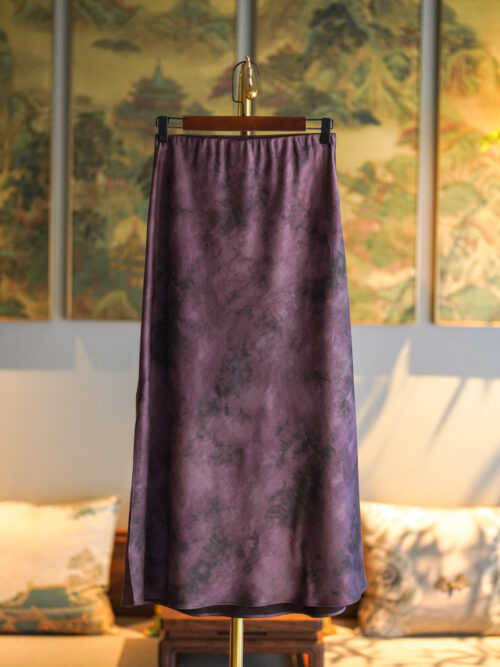
Original New Chinese Style Women’s Minimalist High-Waist Midi Purple Skirt, Authentic Silk Xiangyunsha Fabric | Item No.7933
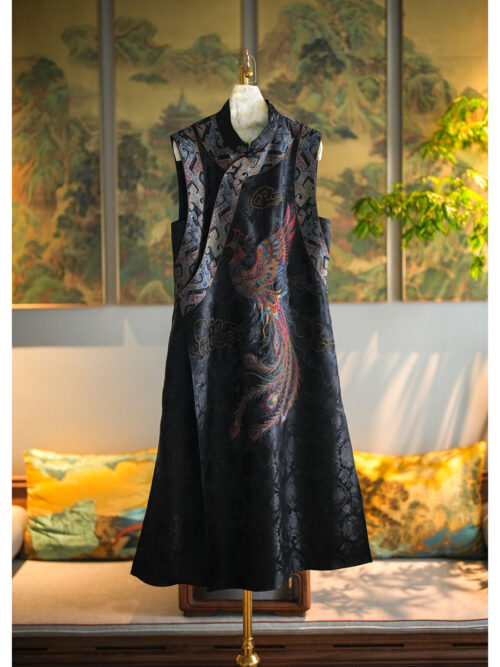
Black Long Song Brocade Dress, Heavy Phoenix Embroidery Stand Collar Sleeveless Mulberry Silk Maxi Dress5518
Vintage Satin of the 1990s: Origins, Modern Uses & Trend Revival
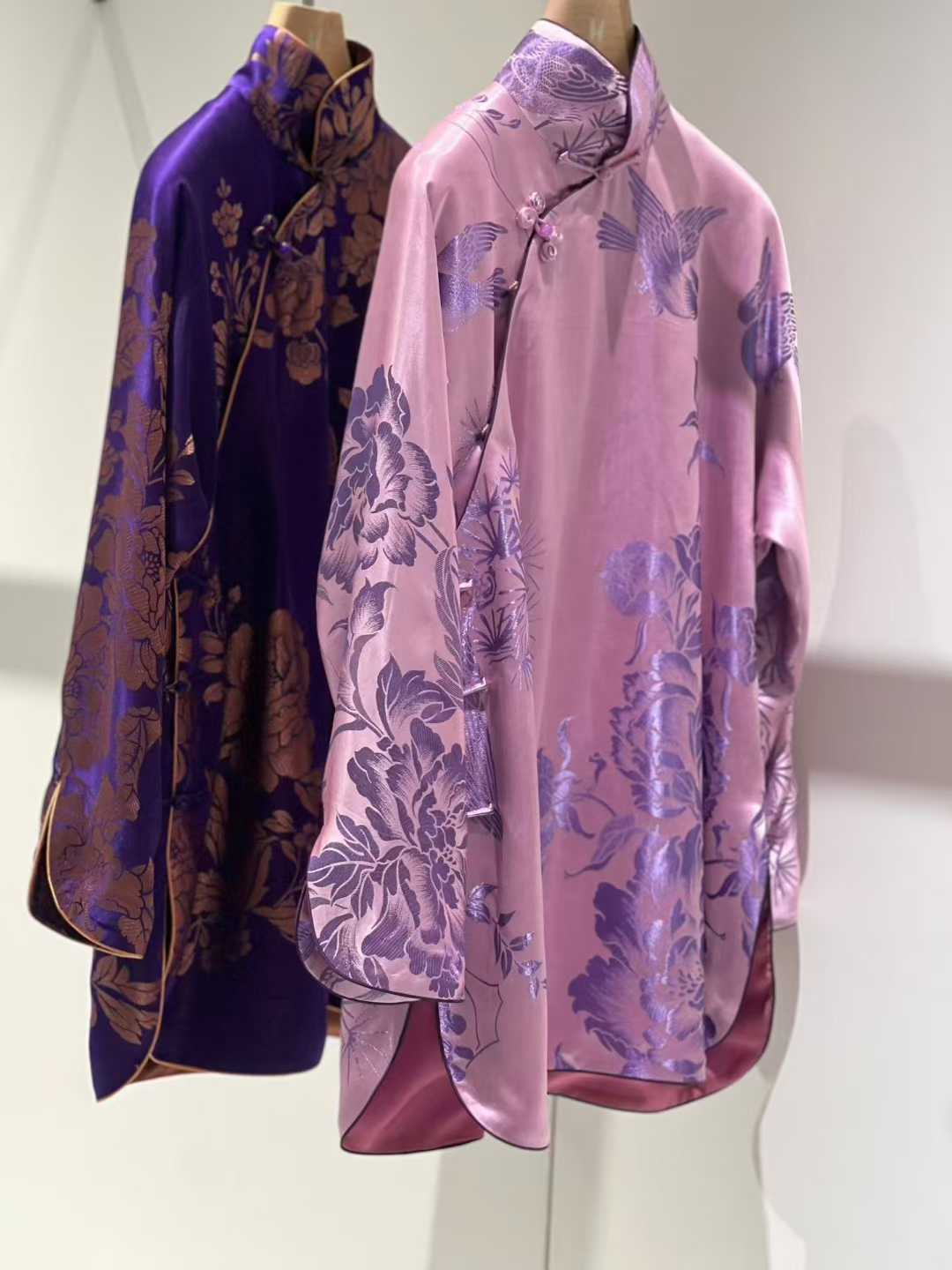
Vintage satin from the 1990s—often called Lao Duan (老缎)—is a legendary traditional Chinese fabric, defined by its irreproducible craftsmanship, rich cultural heritage, and rare stock. It stands today as a coveted luxury material in new Chinese style haute couture, blending nostalgic charm with modern elegance.
Origins: From Royal Luxury to 1990s Discontinued Treasure
The roots of Lao Duan stretch back to the late Qing Dynasty (19th century), when it was reserved for imperial weddings and aristocratic households. It flourished from the 1930s to the 1960s, produced by state-owned silk mills and family workshops across the Yangtze River Delta—especially Suzhou, Hangzhou, and Nanjing.
In the 1950s–1970s, it became a household staple for wedding bedding and festive garments, adored for its vibrant colors (crimson, emerald, magenta) and bold auspicious motifs—dragons, phoenixes, peonies, and mandarin ducks, symbolizing joy and prosperity.
By the 1990s, industrialization shifted fashion toward cheaper synthetic fabrics. Old wooden handlooms were abandoned, classic dyeing techniques faded, and state silk factories closed. Lao Duan production ceased entirely by the late 1990s, leaving only limited, non-renewable stock—making every yard a vintage artifact.
Craftsmanship: Irreproducible & Timeless
- Fiber Blend: Warp of pure mulberry silk, weft of high-quality rayon (sometimes with gold/silver threads) for a lustrous, durable finish.
- Handwoven: Made on traditional wooden looms, with 30+ manual steps—no modern machine can replicate its soft drape, subtle sheen, or unique texture.
- Distinctive Look: Satin weave creates a glossy front and matte back; colors age beautifully, developing a soft “frosted” patina over time.
Modern Applications: New Chinese Style Haute Couture
Today, 1990s vintage satin is the ultra-luxury fabric for high-end custom clothing, celebrated by designers and connoisseurs for its rarity and cultural depth.
1. New Chinese Style Dresses & Gowns
- Cheongsams/Qipaos: The most iconic use—form-fitting silhouettes with hand-embroidered motifs (dragons, peonies) that highlight the fabric’s sheen and drape.
- Tang Suits & Jackets: Cropped or long-line jackets with frog buttons, paired with silk blouses; perfect for weddings, galas, and cultural events.
- Evening Gowns: Flowing A-line or mermaid gowns that blend traditional motifs with modern cuts—red carpet favorites for their unique, eye-catching luster.
2. Limited-Edition & Custom Pieces
- One-of-a-Kind Garments: Since stock is limited, each piece is cut to preserve full motifs (e.g., a complete dragon or phoenix), making every garment virtually an heirloom.
- Accessories: Scarves, clutch bags, and hair accessories that showcase the fabric’s beauty in smaller, wearable forms.
Trend Revival: Why 1990s Vintage Satin Is Hot Again
In recent years, new Chinese style (Xin Zhongguo Feng) has taken the global fashion stage, driving a strong revival of vintage satin.
1. Rarity & Exclusivity
No new stock is produced—every piece is a finite treasure. As existing inventory dwindles, its value rises, attracting collectors and luxury buyers.
2. Cultural Identity & Nostalgia
It embodies Chinese heritage and nostalgia: a link to 1990s childhoods, traditional weddings, and the golden age of Chinese silk craftsmanship.
3. Unique Aesthetic & Versatility
- Timeless Elegance: Its rich colors and subtle sheen work for both formal events and daily wear (e.g., a satin jacket with jeans).
- Unmatched Texture: Softer and more breathable than modern synthetic satins, with a natural drape that flatters all body types.
4. Global Recognition
International designers and celebrities now embrace it for red carpet appearances and high-fashion collections, cementing its status as a global luxury textile.
Conclusion
1990s vintage satin is more than a fabric—it is wearable history, a symbol of Chinese craftsmanship, and a bridge between past and present. As new Chinese style continues to dominate global fashion, this rare, irreproducible material will remain at the forefront of luxury, cherished by those who seek beauty, culture, and exclusivity in every stitch.