The best discounts this week
Every week you can find the best discounts here.
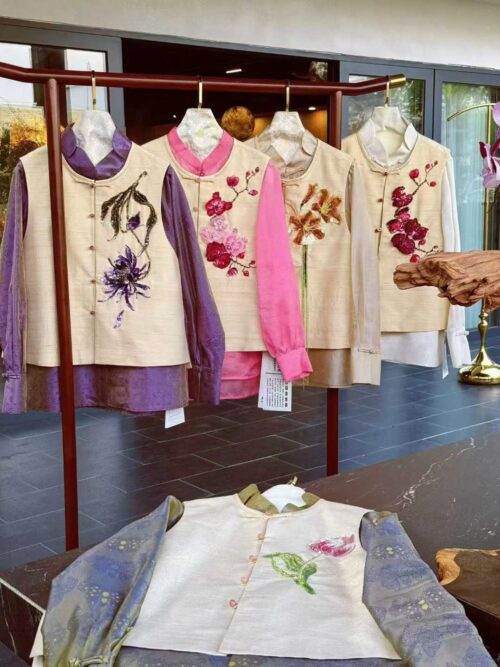
TEST
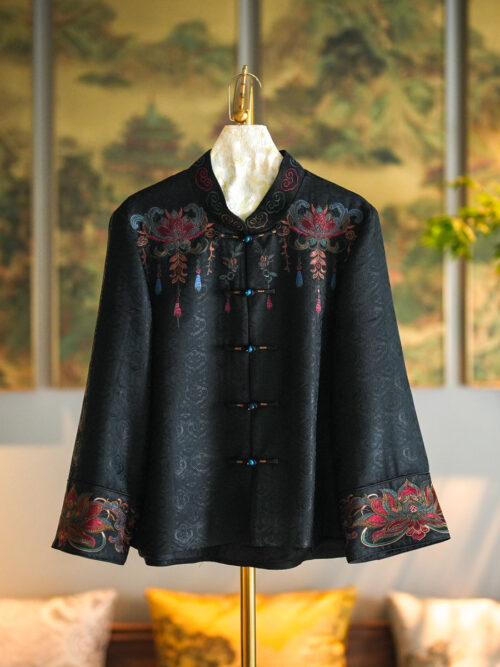
Original Chinese Style Women’s Coat, Heavy Hand Embroidery, Stand Collar, Single-breasted Buttons, Black Plus Size Real Silk Gambiered Guangdong Silk Jacket Style No.5328
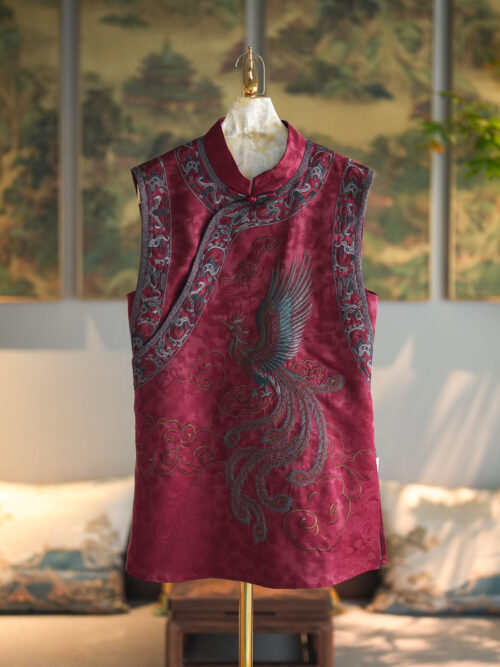
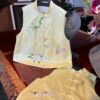
Original Heavy Embroidery Women’s Red Stand Collar Sleeveless Top, Genuine Xiangyunsha Silk for Wedding & Return Banquet Style, Item No.5472
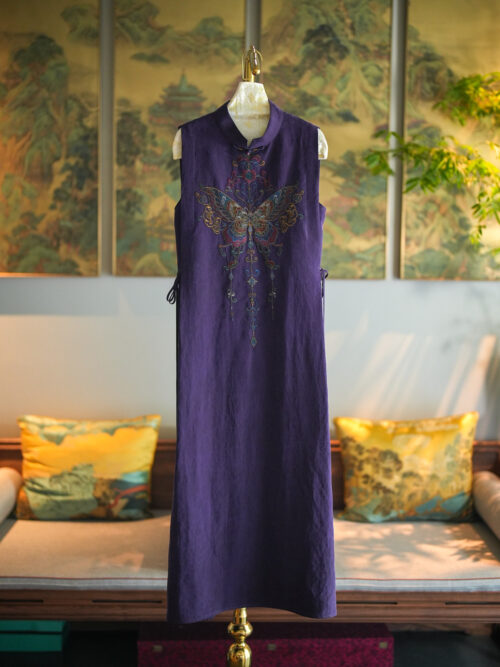
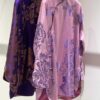
Original Designer Women’s Luxury Purple Stand Collar Sleeveless Long Embroidered Dress, Genuine Silk Xiangyunsha Fabric | Style No.5523
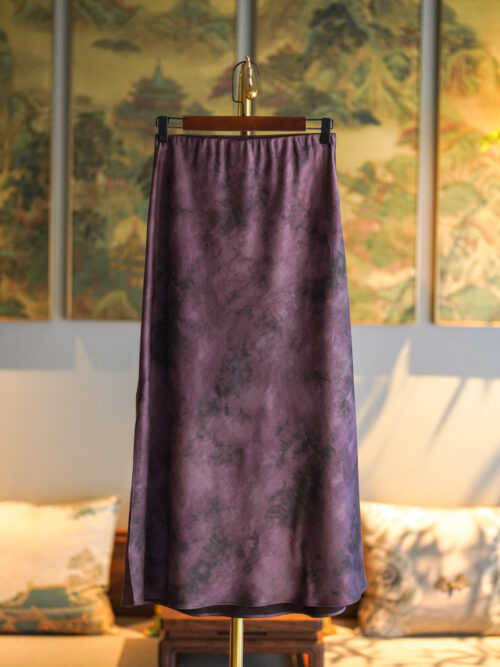
Original New Chinese Style Women’s Minimalist High-Waist Midi Purple Skirt, Authentic Silk Xiangyunsha Fabric | Item No.7933
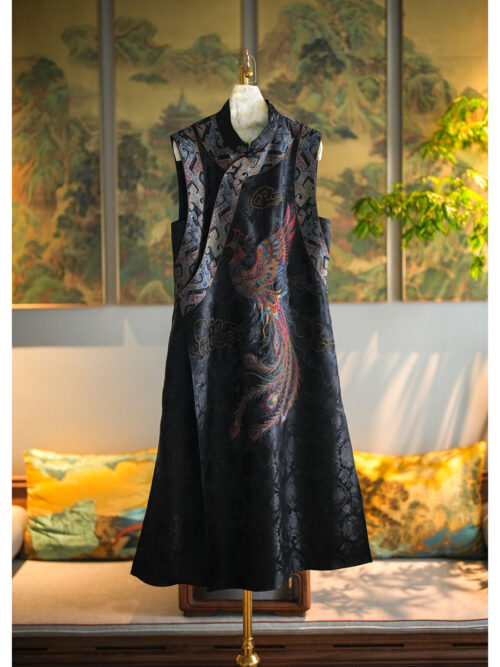
Black Long Song Brocade Dress, Heavy Phoenix Embroidery Stand Collar Sleeveless Mulberry Silk Maxi Dress5518
The Origin of Qing-Dynasty Ink Embroidery Fabric & Its Modern Fashion Revival
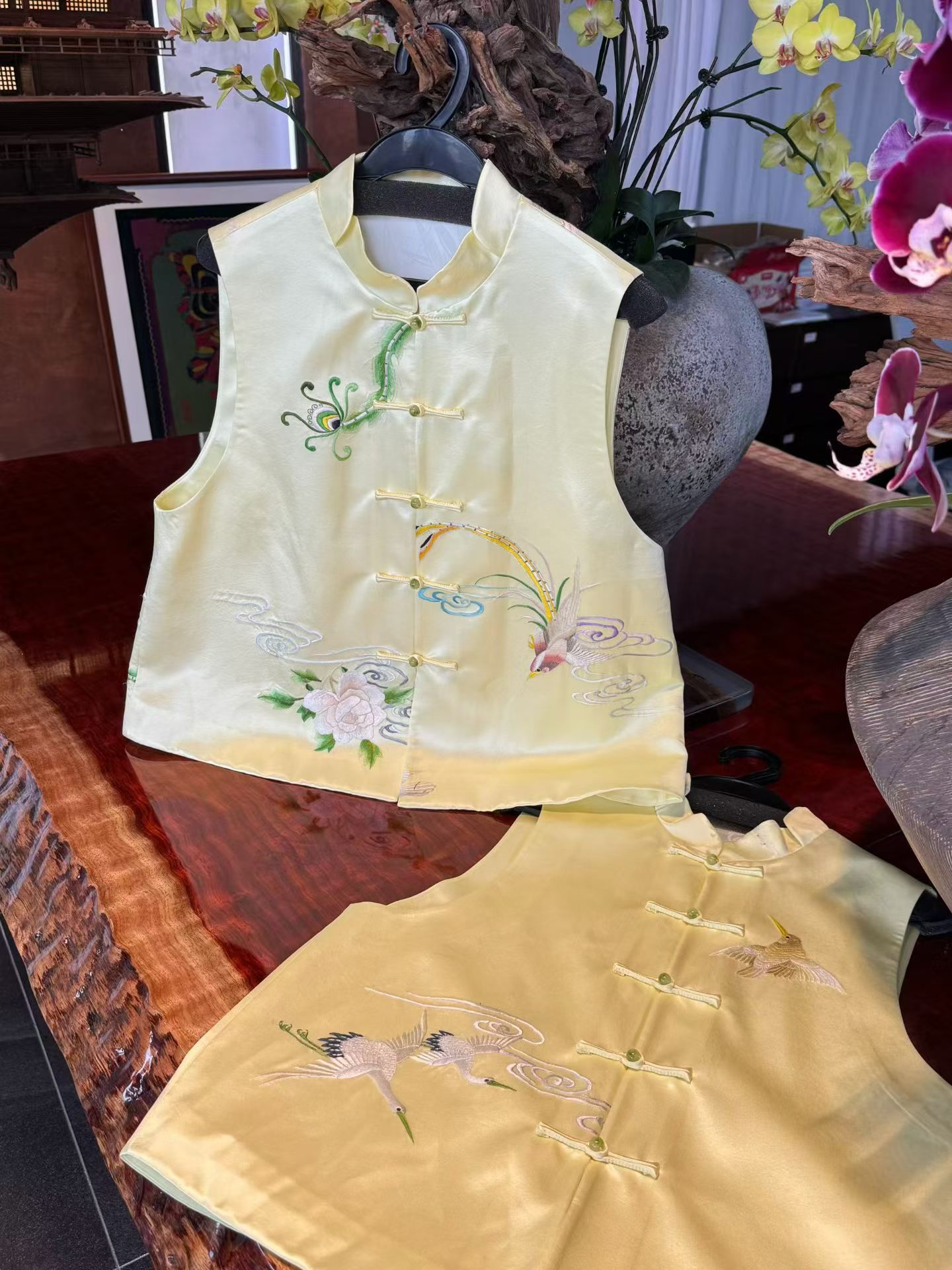
Qing Dynasty Ink Embroidery is a distinguished traditional Chinese craft and precious ancient textile art, originating and flourishing during the Qing Dynasty. It represents a unique oriental aesthetic that perfectly combines classic Chinese ink painting with delicate hand embroidery techniques.
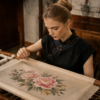
In ancient times, Chinese literati cherished the subtle, understated beauty of ink wash art. Inspired by monochrome ink painting, craftsmen of the Qing Dynasty created ink embroidery. Different from bright, colorful embroidery styles, this craft adopts layered black, dark gray and indigo ink-toned threads. Artisans used varied stitching skills to depict landscapes, flowers, plants, birds and traditional literati patterns, presenting the soft gradient and artistic conception of Chinese ink paintings on silk and satin fabrics.
In the feudal era, Qing ink embroidery was highly favored by nobles, scholars and literati families. It was widely used in high-end costumes, robes, hanging screens, fans and daily decorative textiles. With low-key tones and elegant charm, it reflected the gentle, restrained and refined aesthetic pursuit of ancient Chinese intellectuals. After hundreds of years of inheritance, the traditional handcraft of Qing ink embroidery has been listed as a valuable folk intangible cultural heritage, witnessing the profound heritage of Chinese traditional needlework art.
In modern fashion design, vintage Qing ink embroidery fabric has ushered in a strong revival and become a core element of Neo-Chinese Style clothing. Its low-key monochrome texture, retro artistic sense and profound cultural connotation are deeply loved by high-end custom brands and style lovers.
Nowadays, ink embroidery elements are widely applied in standing collar coats, Tang-style jackets, cheongsams, silk blouses and loose casual outerwear. The classic ink embroidery patterns add quiet literati charm to modern silhouettes, balancing retro texture and daily wearability. Different from gorgeous heavy embroidery, ink embroidery features elegant and restrained tones, suitable for daily commuting, tea ceremonies, cultural gatherings and high-end occasion dressing.
With the global popularity of oriental aesthetics, Qing Dynasty ink embroidery fabric is no longer limited to traditional antique clothing. More designers integrate ancient ink embroidery craftsmanship with modern tailoring, making antique traditional crafts reborn in contemporary fashion. It has become a representative high-quality fabric for original national-style clothing, leading the new trend of low-luxury oriental retro fashion.